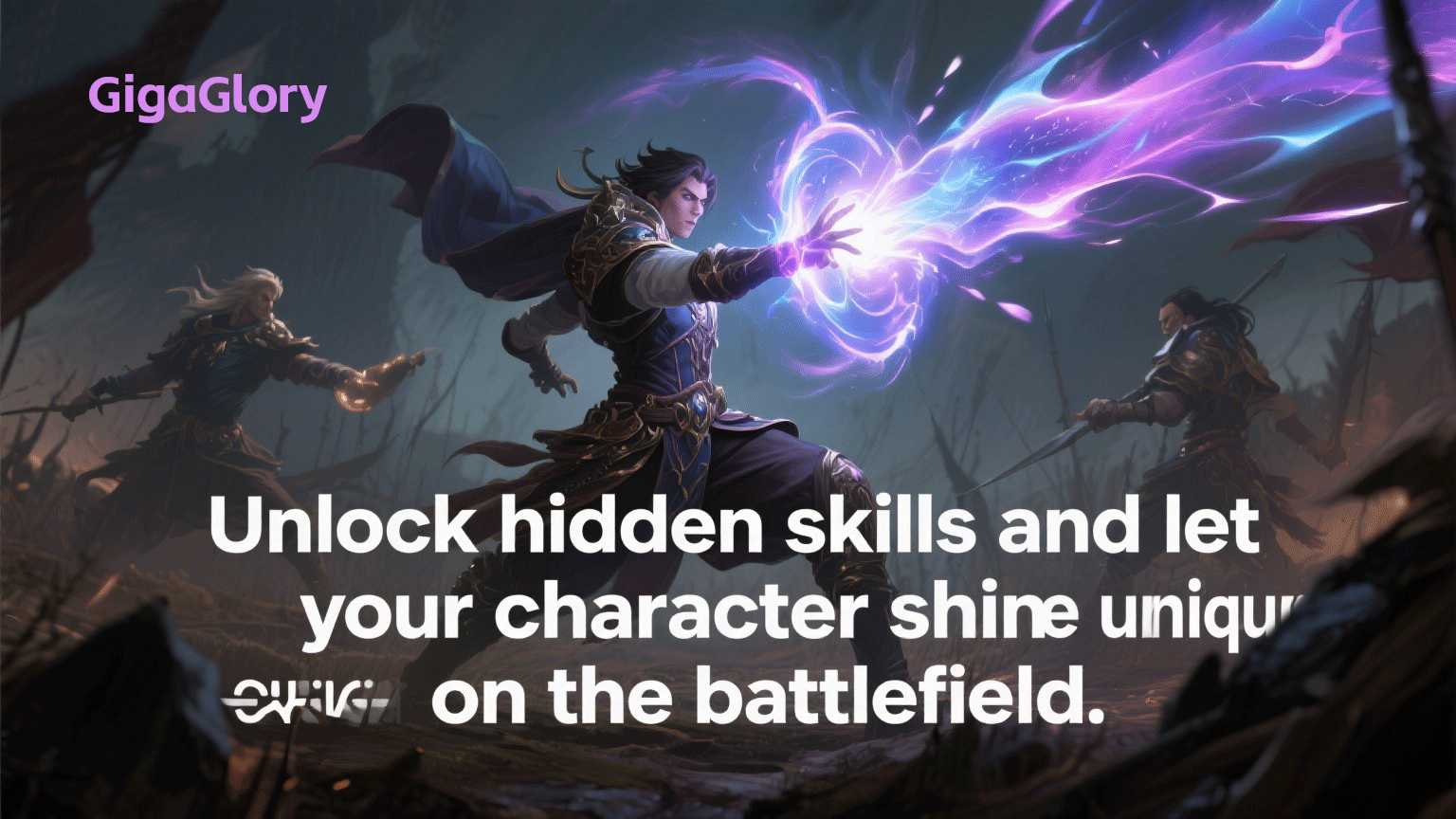
Unleashing the Thrill: How Adventure Games Nurture Strategic Thinking
Adventure games are not just about thrilling narratives and exciting quests; they also serve as powerful tools for developing strategic thinking skills. In this article, we delve into the enchanting world of adventure games, exploring their unique ability to encourage players to think strategically, while also introducing relevant concepts from strategy games like Clash of Clans 1.0 and the innovative landscape of new fantasy RPG games.
The Magic of Adventure Games
- Immersive storytelling
- Dynamic gameplay mechanics
- Problem-solving challenges
Adventure games transport players into fantastical worlds, complete with vibrant characters and intricate plots. This immersive storytelling captivates players, urging them to think critically about their next moves. Unlike traditional games, these adventures require players to solve problems, often in real-time, pushing the boundaries of their strategic thinking capabilities.
Adventure Games vs. Strategy Games
While adventure games focus heavily on narrative and exploration, strategy games often require players to manage resources and make long-term plans. The skill sets overlap considerably, as both genres demand decision-making and tactical planning. In fact, the most successful players in adventure games often apply lessons learned from strategy games. This confluence of skills supports a well-rounded gaming experience.
How Adventure Games Foster Strategic Skills
Adventure games might seem straightforward, but they are layered with strategic elements. Players must often:
- Analyze the environment
- Evaluate character abilities
- Make short and long-term decisions
Such gameplay mechanics nurture critical thinking. For instance, while navigating through quests, players frequently must choose between alternative paths, ensuring their decisions contribute to successful outcomes later in the game.
The Role of Choice in Adventure Games
Choices define the adventure experience. Players often find themselves at crucial junctures where decisions can lead to multiple outcomes. This directly correlates with real-life strategy, as players learn to weigh pros and cons, predicting the consequences of each choice.
Integrating Elements from Strategy Games
Many adventure games have begun incorporating elements common in strategy games. For instance, players might have to manage resources or strengthen their character’s base. Clash of Clans 1.0 is a prime example of integrating resource management with engaging gameplay.
| Game Title | Key Features | Strategic Elements |
|---|---|---|
| Adventure Quest | Fantasy setting, character development | Resource allocation, long-term strategy |
| Clash of Clans 1.0 | Base building, real-time strategy | Resource management, tactical offense |
| Skyward Adventure | Open world exploration, puzzle-solving | Problem-solving, planning |
The Emergence of New Fantasy RPG Games
As technology evolves, so too does the genre of adventure games. New fantasy RPG games are pushing creative boundaries, offering players wider worlds to explore and more intricate plots filled with strategic elements.
Benefits of Playing Adventure Games
- Enhances critical thinking
- Boosts problem-solving skills
- Encourages creativity
- Improves memory and recall
Playing adventure games comes with distinct benefits. Individuals develop critical thinking skills as they piece together clues, solutions to puzzles, and navigate through the game story arcs. There’s also an element of creativity; the plots and characters inspire inventive thinking that can be remarkably useful in real-world situations.
Measuring Strategic Thinking in Gaming
How do we quantify strategy and critical thinking in adventure gaming? Recent studies have shown:
- Increased retention of information
- Enhanced ability to anticipate challenges
- Improved adaptability to new scenarios
These factors demonstrate how players cultivate strategic thinking through gameplay, making them better equipped to tackle obstacles in their daily lives.
When Adventure Meets Strategy
By the endpoints of exploration, adventure games reveal not only delightful experiences but also complex strategic engagements. Players learn various strategies suitable for different situations, fostering a flexible mindset that can adapt to evolving gaming environments.
The Community Aspect of Adventure Games
Adventure gaming often fosters communities where players can share experiences, strategies, and insights. These communities offer collective wisdom and resources, allowing gamers to refine their strategic skills through social feedback and collaboration.
Conclusion
Adventure games are more than mere entertainment; they are platforms for nurturing strategic thinking and problem-solving skills. By tapping into the excitement of questing and the intricacies of strategy, players engage in a multifaceted gaming experience that challenges their minds and fosters growth. So the next time you embark on an adventure, remember that you’re not just seeking treasure—you’re also sharpening your strategic abilities for real life!